In short
- Renovation permit, 2026 schedule: $12.75 for each $1,000 of construction value, never under $117.
- Needs a permit: adding or removing walls, new or moved windows and doors, plumbing alterations, foundation repairs.
- Exempt: new flooring, painting, same-place cabinet swaps, a replacement hot water tank, heat pumps.
- Starting before the permit is issued adds a 50% surcharge, up to $10,000.
- The City aims to answer a basement permit application within 5 business days.
Typical prices in Ottawa
| Job | Typical range | Notes |
|---|---|---|
| Renovation permit, any size | $12.75 per $1,000 of value | City of Ottawa fee schedule, minimum $117 |
| Bathroom job valued at $20,000 | about $255 | Calculated from the City rate |
| Basement job valued at $60,000 | about $765 | Calculated from the City rate |
| Plumbing work only | $117 per application | City of Ottawa fee schedule |
Sources. City of Ottawa, Comprehensive Building Code Fee Schedule, January 1, 2026, seen 29.10.2026. City of Ottawa, Building permit projects, Projects not requiring Building Permits and Finishing a basement, seen 29.10.2026. Ontario, Your rights when starting home renovations or repairs, seen 29.10.2026. Electrical: Electrical Safety Authority, Finding the Right Contractor, seen 29.10.2026. The dollar examples are the City rate multiplied by the stated job value.
Three questions the City asks about a job
Under the Building Code Act, a permit is required for a new building, an addition, or an alteration of a building or structure. The City’s permit list names what most renovations involve: adding or removing walls, new windows, enlarging or moving a window or door, plumbing alterations, and structural repairs such as foundation work or drain tile replacement.
The working test has three parts: does a wall change, does an opening change, does a pipe move. A yes to any of the three usually means a permit. New surfaces with fixtures left in place fall on the exempt list.
Jobs the City exempts
The City publishes a list of work that needs no permit: new flooring, painting and decorating, installing air conditioners or heat pumps, replacing a hot water tank, damp proofing an existing basement, replacing doors or windows in the same size opening, and replacing kitchen or bathroom cabinets while the plumbing fixtures stay in the same place. Exempt jobs still follow the Building Code.
Designated heritage buildings, and buildings inside a heritage district overlay, get none of these exemptions. A heritage house owner calls the City before ordering anything.
What the fee is
For work on an existing building with no new floor area, the fee is $12.75 for every $1,000 of construction value. The value counts materials, labour, overhead and professional fees. A $20,000 bathroom comes to about $255 and a $60,000 basement to about $765.
Ask the company what value it will put on the form.
Basements: the long list
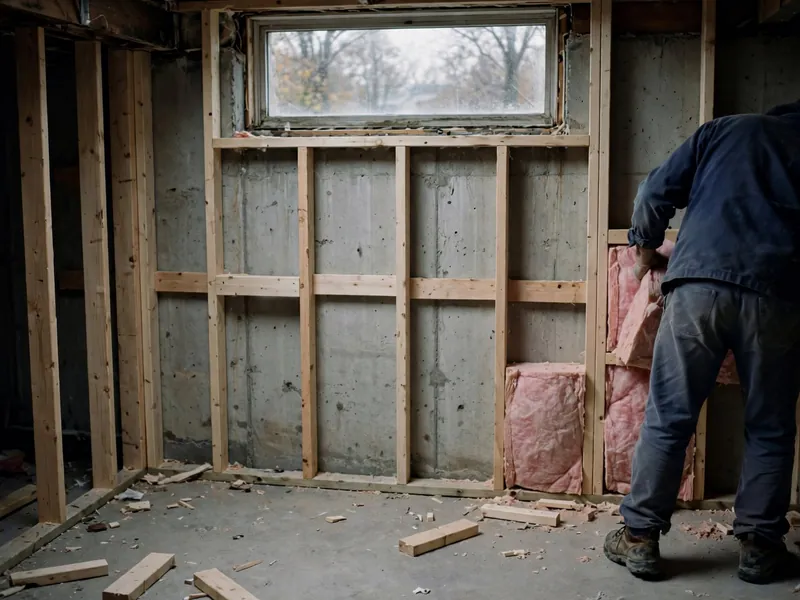
The City asks for the application, the fee and a full set of legible plans drawn to a conventional scale. Its first answer on a basement comes within 5 business days. Inspections then follow the work:
- excavation, where piers or underpinning are involved;
- underground plumbing, before it is covered, with a test;
- plumbing rough-in, with a test;
- framing;
- insulation and vapour barrier;
- plumbing final;
- final.
Book each inspection 48 hours ahead, with the plans on site. Work covered early can be ordered uncovered. A HomeStars Ottawa guide allows 2 to 6 weeks for drawings and the permit on a basement. More on the sequence is on the basement finishing page and in how long a renovation takes.
Bathrooms and kitchens
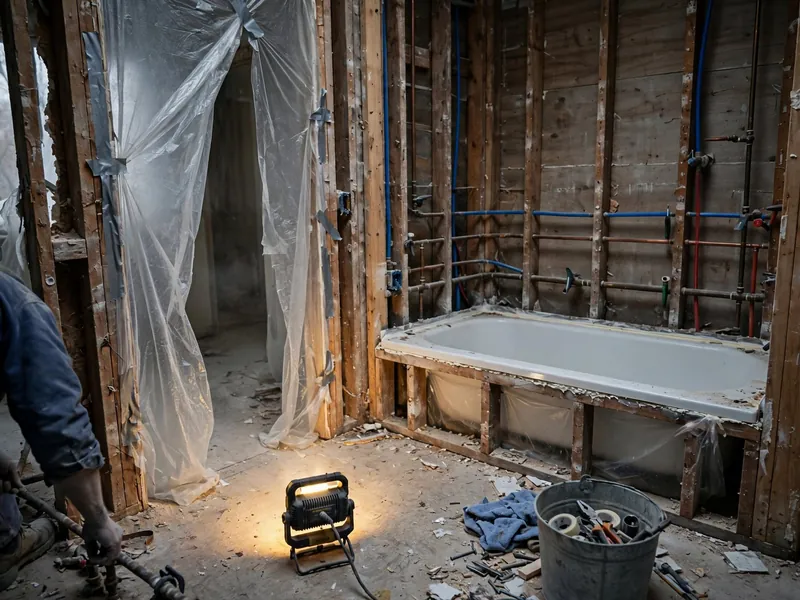
A bathroom refresh with tub, toilet and vanity in their old places is exempt on the plumbing side. Moving the shower or giving a walk-in a new drain brings in the plumbing permit. See tub-to-shower conversion and the bathroom renovation page for the work itself.
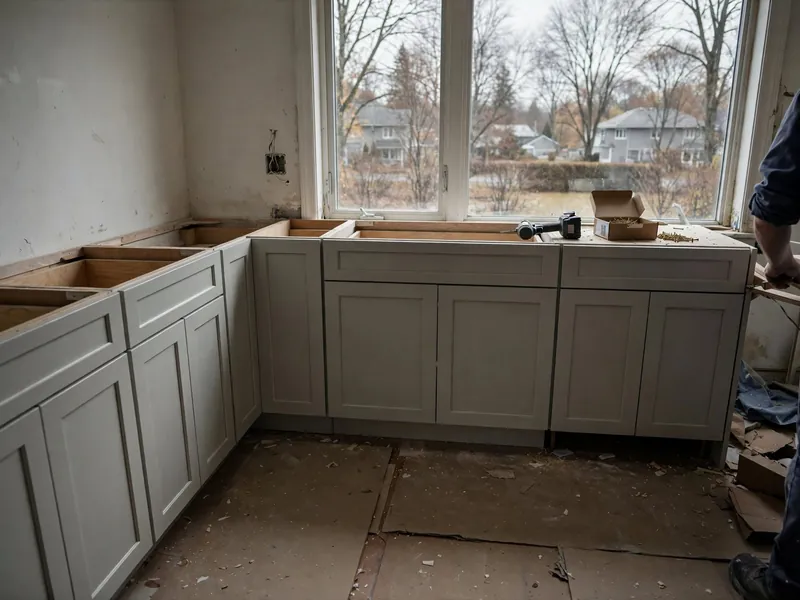
In a kitchen the questions are the wall and the sink. Cabinets in the same footprint are exempt. An island with a new drain or a wall taken down needs one. Electrical work follows the separate ESA notification covered in the questions on this page.
Who applies
Ontario’s consumer page says the homeowner is responsible for building permits. A contractor can get the permit if the contract says so, and the page advises letting no construction begin until you have seen it. Put the permit line into the contract, as set out in the renovation contract checklist.
Who settles the permit question
The Desk sends your request to one independent company, which confirms the permit scope after seeing the room. The City has the last word on what your job needs, and 3-1-1 can confirm before you sign.
Questions to ask the company
- Which parts of my job need a City permit, and which do not?
- Who applies, and is the fee a separate line in the quote?
- Will I see the issued permit before demolition begins?
- Which inspections does this job trigger?
- Does your price include drawings, if the City asks?
Have this ready for the call
- The year the house was built, and whether it is heritage-designated
- A list of every wall, window, door, drain and supply line you want moved or removed
- A rough value for the whole job, because the City fee follows it
- Any floor plan you already have, even a hand sketch with measurements
Questions people ask
Do I need a permit to move a toilet or a shower drain?
Yes. The City lists plumbing alterations, additions and extensions as permit work, except replacing existing fixtures. A toilet that stays on its drain needs none; one that moves does. Plumbing-only applications cost a flat $117, so name each fixture that changes place when you describe the job.
Does taking out a wall need a permit?
Yes. The City names adding or removing walls on its permit list, because a wall can carry the floor or roof above it. The visiting company tells you whether the wall is load-bearing. Ask whether drawings are needed for the application and whether they sit inside the quote or on top of it.
What happens if the work starts before the permit is issued?
The City adds an administrative surcharge of 50% of the regular permit fee, up to a maximum of $10,000. A permit that would cost $765 would carry a surcharge of about $383. Ask to see the issued permit before demolition starts, and write that into the contract.
Do new floors, paint or a heat pump need a permit?
The City lists new flooring, painting and decorating, air conditioning units, heat pumps, replacement hot water tanks and asphalt shingles as exempt from a building permit. Exempt work must still follow the Ontario Building Code and zoning rules.
Does the electrician need a City permit?
Electrical work runs on a separate track. The Electrical Safety Authority requires a notification of work before the job starts, and the electrical contractor doing the work files it. ESA calls it a red flag when a contractor asks you to file the notification in your own name. Ask who files it and when it is filed.
Where is the permit application filed?
Applications go through the City’s online customer portal, which needs a My ServiceOttawa account. Building Code Service counters work by appointment only. Questions go to 3-1-1. A contractor can file for the owner when the contract says so, but the Ontario consumer page keeps the responsibility with the homeowner.